


Advanced gum disease treatments for healthy gums and teeth.
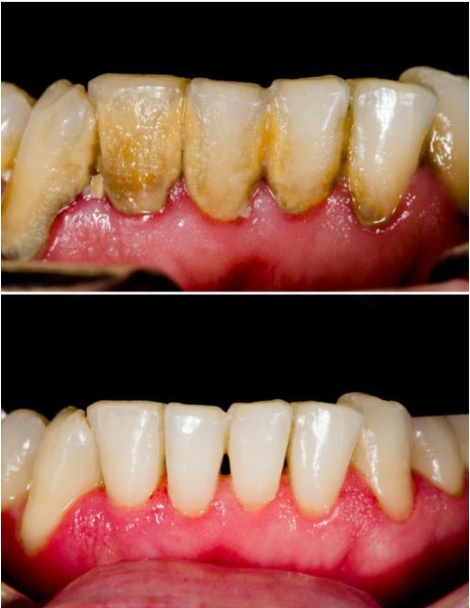
Understanding Periodontics and Periodontitis
What is Periodontics?
Periodontics is a specialized branch of dentistry that focuses on the prevention, diagnosis, and treatment of diseases affecting the gums and supporting structures of the teeth, including the bone and connective tissues. Periodontists are dental specialists who manage complex gum diseases and perform procedures like deep cleanings, gum grafts, and dental implant placements.
What is Periodontitis?
Periodontitis is a serious gum infection that damages the soft tissue and, if left untreated, can destroy the bone that supports your teeth. It is one of the leading causes of tooth loss in adults.
Stages of Gum Disease:
- Gingivitis (Early Stage) – Mild gum inflammation caused by plaque buildup. Symptoms include redness, swelling, and bleeding gums.
- Mild Periodontitis – The infection spreads below the gum line, causing the gums to recede and pockets to form around the teeth.
- Moderate Periodontitis – Increased bone loss and loosening of teeth.
- Severe Periodontitis – Significant bone loss, deep pockets, and potential tooth loss.
Causes of Periodontitis
Periodontitis is primarily caused by plaque buildup—a sticky film of bacteria that forms on teeth. Other risk factors include:
- Poor oral hygiene
- Smoking or tobacco use
- Diabetes
- Genetic predisposition
- Stress
- Poor nutrition
- Hormonal changes (e.g., pregnancy, menopause)
- Certain medications that reduce saliva production
Symptoms of Periodontitis
- Swollen, red, or tender gums
- Gums that bleed when brushing or flossing
- Persistent bad breath
- Receding gums
- Loose or shifting teeth
- Pain when chewing
- Pus between teeth and gums
Diagnosis of Periodontitis
A dentist or periodontist will examine your gums for signs of inflammation, measure pocket depths around the teeth, and may take dental X-rays to assess bone loss.
Treatment Options
Treatment depends on the severity of the disease and may include:
Non-Surgical Treatments:
- Scaling and Root Planing (Deep Cleaning) – Removes plaque and tartar from deep below the gum line.
- Antibiotic Therapy – Medications to reduce bacterial infection.
Surgical Treatments:
- Gum Grafts – Replaces lost gum tissue.
- Flap Surgery – Lifts gums to remove deep plaque and tartar.
- Bone Grafts – Restores lost bone structure.
- Dental Implants – Replaces missing teeth after periodontitis-related tooth loss.
Guided Biofilm Therapy
Guided Biofilm Therapy (GBT) is an innovative, evidence-based approach in dental care focused on the prevention, diagnosis, and treatment of oral biofilm-related diseases such as periodontitis and peri-implantitis. Unlike traditional methods like scaling and root planing (SRP), GBT offers a minimally invasive, systematic, and patient-friendly protocol for biofilm removal.
Key Components of GBT:
- Disclosure:
Application of a disclosing agent to make dental biofilm visible, helping both the clinician and patient identify areas requiring attention. - Air Polishing (AIRFLOW®):
Utilization of a controlled stream of air, warm water, and fine erythritol powder to gently remove biofilm, stains, and early calculus from tooth surfaces, restorations, implants, and soft tissues. This method effectively cleans both supra- and subgingival areas up to 4 mm. - PERIOFLOW®:
For deeper pockets (greater than 4 mm), the PERIOFLOW® nozzle delivers the erythritol powder into periodontal pockets and around implants, ensuring thorough decontamination. - PIEZON® PS:
After air polishing, any remaining calculus is removed using the PIEZON® PS instrument, which operates with high-frequency vibrations and minimal pressure, enhancing patient comfort.
Benefits of GBT:
- Efficiency:
Studies have shown that GBT can be as effective as traditional SRP in biofilm removal, with shorter treatment times and improved patient comfort. - Minimally Invasive:
The gentle nature of air polishing reduces the need for more aggressive instrumentation, preserving tooth structure and soft tissues. - Patient Comfort:
GBT is designed to be painless and comfortable, reducing anxiety associated with dental cleanings. - Comprehensive Care:
By systematically removing biofilm from teeth, restorations, implants, and soft tissues like the tongue and palate, GBT supports overall oral health and helps prevent disease progression.

Incorporating GBT into dental practice represents a shift towards a more preventive and patient-centred approach, emphasizing the importance of regular maintenance and personalized care in managing oral health.
Preventing Periodontitis
- Brush twice daily with fluoride toothpaste.
- Floss daily to remove plaque between teeth.
- Use an antiseptic mouthwash.
- Avoid smoking and excessive alcohol.
- Maintain a healthy diet.
- Visit your dentist regularly for check-ups and professional cleanings.
NHS Resources & Support
When to See a Dentist:
Seek immediate dental care if you experience persistent gum bleeding, swelling, pain, or loose teeth. Early treatment prevents tooth loss and improves oral health!
Healthy gums mean a healthier smile—take care of them today!