


Expert solutions for TMD, misalignment, and jaw pain.
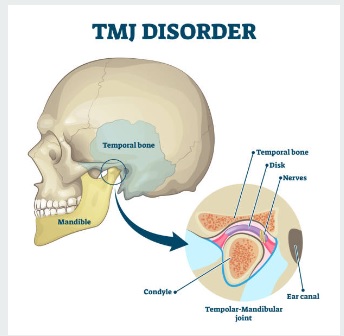
Understanding TMD: A Patient Guide
What is TMD?
Temporomandibular Disorders (TMD) is an umbrella term used to describe problems affecting the jaw joint and the muscles that control jaw movement. It can sometimes cause discomfort, pain, or difficulties when chewing and speaking.
What Causes TMD?
TMD can have several causes, and often it isn’t just one factor. Some common contributors include:
- Jaw Injury or Trauma:
An injury or accident can strain the jaw joint or the muscles around it. - Teeth Grinding or Clenching (Bruxism):
Habitual grinding or clenching, often during sleep, can put extra pressure on the joint. - Stress:
Stress can lead to muscle tension in the jaw, which may worsen symptoms. - Arthritis:
In some cases, joint disorders like arthritis can affect the temporomandibular joint (TMJ). - Other Factors:
Posture issues, poor dental alignment, or even excessive gum chewing can sometimes contribute.
Common Symptoms of TMD
People with TMD might experience:
- Pain or Tenderness:
This may occur in the jaw, face, neck, or shoulders. - Difficulty or Discomfort When Chewing:
You might notice that chewing or speaking for long periods makes the pain worse. - Clicking or Popping Sounds:
These sounds can occur when opening or closing your mouth. - Jaw Stiffness or Locking:
At times, your jaw might feel stiff, or you may have difficulty opening it fully.
Remember, not everyone with TMD will experience all these symptoms. They can range from mild to more bothersome, and many people find that with the right care, their symptoms improve over time.
How Is TMD Treated?
Treatment is usually tailored to the individual and might include:
Self-Care and Lifestyle Changes
- Rest Your Jaw:
Avoid habits that strain the jaw, such as excessive chewing or clenching. - Stress Management:
Techniques like relaxation exercises or counseling can help reduce tension. - Heat or Cold Therapy:
Applying a warm compress can help relax tight muscles, or a cold pack may reduce swelling.
Dental Treatments
- Occlusal Splints (Mouth Guards):
Custom-made appliances can help reduce teeth grinding and clenching, thereby alleviating pressure on the TMJ. - Dental Adjustments:
In some cases, minor dental corrections can help improve jaw alignment.
Medical Interventions
- Physical Therapy:
Exercises and manual techniques can help improve jaw movement and reduce pain. - Medications:
Over-the-counter pain relievers, muscle relaxants, or anti-inflammatory drugs might be recommended. - Counseling or Stress Management Programs:
For cases where stress plays a major role, professional guidance can be very effective.
For more detailed information on treatment options and self-help strategies, the NHS website on TMJ disorders is a great starting point.
UK Guidelines & Resources
For patients who would like to read more about TMD and the recommended approaches to treatment, consider these reputable resources:
- NICE Guidelines:
The National Institute for Health and Care Excellence (NICE) offers guidance on managing chronic pain and orofacial pain, which includes TMD. While there may not be a specific NICE guideline solely for TMD, their publications on chronic pain and orofacial conditions provide valuable insights. You can explore their advice at NICE Guidance. - British Dental Association (BDA):
The BDA provides patient information and advice on various dental conditions, including TMD. Visit the British Dental Association for more resources. - NHS Choices:
The NHS website offers accessible information on what TMD is and how it is managed. See more at NHS – TMJ Disorders.
Final Thoughts
TMD can be uncomfortable, but many people find significant relief with a combination of self-care, dental treatments, and professional guidance. If you’re experiencing symptoms of TMD, talk to your dentist or healthcare provider. They can help determine the cause of your discomfort and suggest a treatment plan that is right for you.
This leaflet is intended to provide a general overview of TMD and is not a substitute for professional advice. Always consult your healthcare provider for a personalized approach to managing your condition.